
Disclosure: Some of the links below are affiliate links. This means that, at zero cost to you, I will earn an affiliate commission if you click through the link and finalize a purchase.
There are books that have outlasted empires, survived the deaths of languages, and still manage to say something true about what it means to be alive. We call them classics, but that word does a disservice to how alive these stories actually are. They are not museum pieces. They are conversations that started centuries ago and never really ended. Here are some that belong on every reading list. Enjoy!

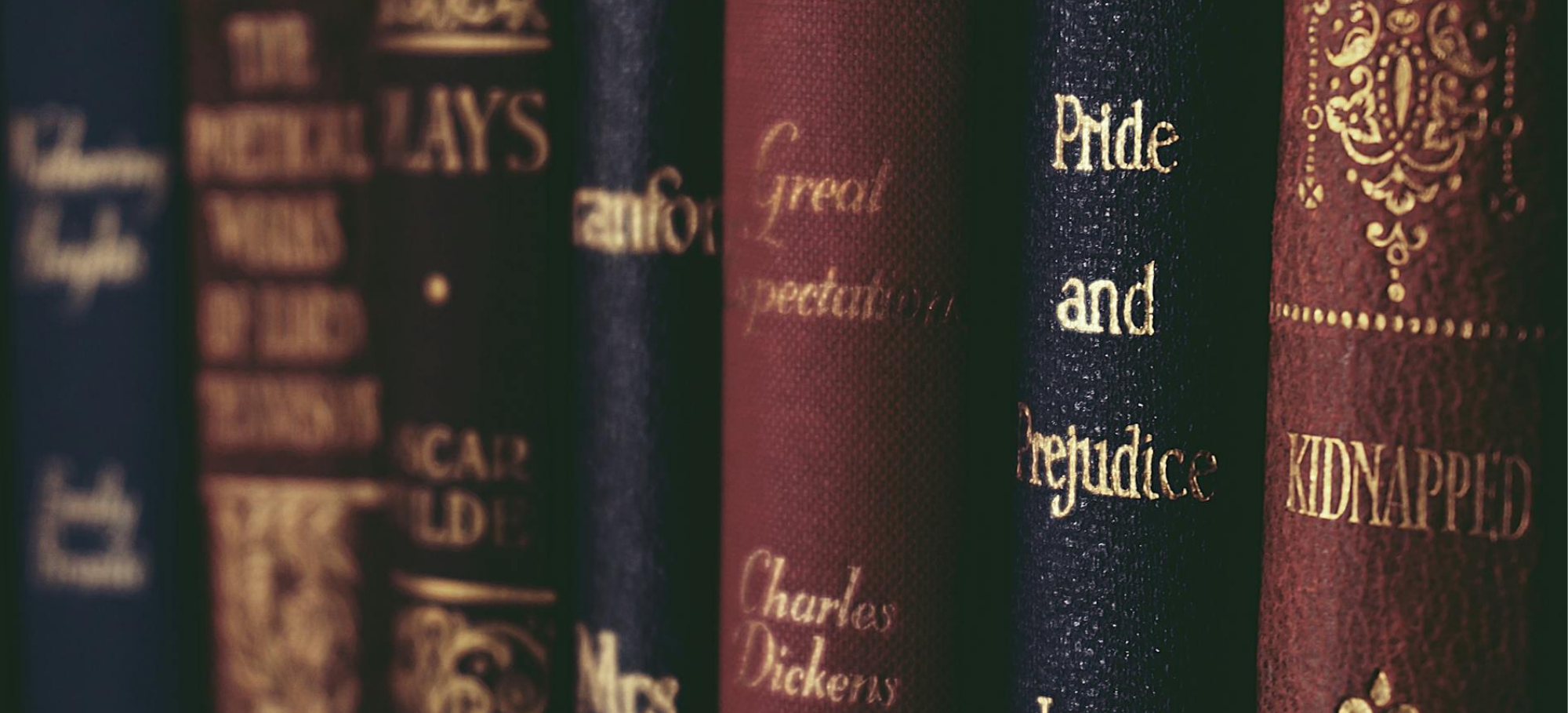
Pride and Prejudice by Jane Austen is one of the most misread books in the English language. People assume it is a romance, a love story between Elizabeth Bennet and Mr. Darcy. It is that, but it is also a sharp, almost ruthless examination of what it cost a woman to be intelligent in a world that punished her for it. Elizabeth’s wit is not decoration. It is armor. Austen is funny in a way that sneaks up on you, and the humor always has teeth. Reading it now, you realize that the social pressures Austen describes have not disappeared. They have simply changed clothes.

Beloved by Toni Morrison is the novel that refuses to let you look away. Sethe escaped slavery and carries the weight of what she survived and what she did to survive it. The ghost in the house is literal and also not literal at all. Morrison understood that trauma does not stay in the past. It inhabits the present. It sits at the table. It will not be ignored. This is not an easy book, and it should not be. Some truths require the reader to work for them.

To Kill a Mockingbird by Harper Lee is a book that asks one of the oldest and hardest questions: what does it mean to do what is right when everything around you is wrong? Atticus Finch is not a perfect man, but he is a man trying, and the story is told through the eyes of his daughter Scout, which means we see both his courage and his limitations with the same clear vision. What makes this book endure is not the courtroom drama. It is the childhood through which we watch it, the way injustice looks to a child who has not yet been taught to accept it.

Invisible Man by Ralph Ellison is one of the great American novels, full stop. The unnamed narrator moves through a country that refuses to see him, and the tragedy is not just what is done to him but how long it takes him to see what is being done. Ellison wrote this in 1952 and it feels like it was written last week. The invisibility he describes is not metaphorical in the gentle sense. It is the active erasure of a person by a society that finds it more convenient not to look.

Crime and Punishment by Fyodor Dostoevsky is the most honest book ever written about guilt. Raskolnikov does not suffer because he gets caught. He suffers before he gets caught, which is the point. Dostoevsky understood that the human conscience is not something you can argue your way out of, no matter how intelligent you are. The novel is long and dense and exhausting in the best possible way. It earns every page.

One Hundred Years of Solitude by Gabriel Garcia Marquez is the novel that makes you rethink what a novel can do. The Buendia family lives and dies across a century in the fictional town of Macondo, and magic and reality exist in the same breath. A woman ascends to heaven while folding laundry. The dead wander back among the living. None of it feels strange because Garcia Marquez never treats it as strange. The book is about time, about family, about how history repeats itself in people who never learn they are repeating it. It will rearrange something in the way you read.

Frankenstein by Mary Shelley is almost never taught correctly. It is not a horror story about a monster. It is a story about a creator who runs from his creation the moment it does not meet his expectations, and what that abandonment costs them both. The creature, who is nameless because Shelley understood the power of that choice, is one of the most articulate and heartbroken figures in all of literature. He wants what everyone wants. He wants to be known. The horror in the book is not what the creature does. It is what was done to him first.

The Brothers Karamazov by Dostoyevsky’s largest, most expansive, most life-embracing work. Filled with human passions ― lust, greed, love, jealousy, sorrow, and humor ― the book is also infused with moral issues and the issue of collective guilt.
As in many of Dostoyevsky’s novels, the plot centers on a murder. Three brothers, different in character but bound by their ancestry, are drawn into the crime’s vortex: Dmitri, a young officer utterly unrestrained in love, hatred, jealousy, and generosity; Ivan, an intellectual capable of delivering impromptu disquisitions about good and evil, God, and the devil; and Alyosha, the youngest brother, preternaturally patient, kind, and loving.

Anna Karenina by Leo Tolstoy is the book that will break your heart slowly, from the first page, even knowing it is coming. Anna is not a cautionary tale. She is a woman of enormous feeling trapped in a world that had no use for enormous feeling in women. Levin, the other central character, is Tolstoy working out his own questions about God and meaning and the right way to live. Both stories matter. Both are true. This is the longest book on this list and the one most worth every hour it asks of you.